
 Image 1 of 1
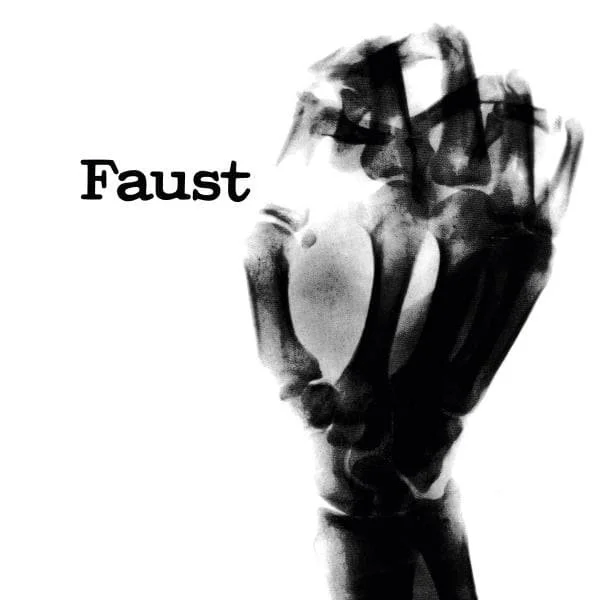
Released in 1971, this fractured, exploratory record tore up rock’s rulebook—melding tape manipulation, surreal collage, and spontaneous improvisation into something wholly new. With Uwe Nettelbeck as producer and a free hand from Polydor, the six-piece group set up camp in a rural schoolhouse in Wümme, building a bespoke studio and working communally, chaotically, and often under the influence.Recording didn’t start until three days before the deadline, but what emerged was a startlingly coherent burst of innovation. ‘Why Don’t You Eat Carrots’ gleefully dismantles pop culture, filtering The Stones and The Beatles through a swirl of noise and theatre. ‘Meadow Meal’ moves from industrial gurgles to jazz-folk groove, then melts into disorder. The 16-minute ‘Miss Fortune’ is a hallucinatory improv epic, laced with repetition, madness and ghostly residue.This Bureau B reissue offers a fresh chance to experience one of the most uncompromising and visionary German underground albums of its time.
Released in 1971, this fractured, exploratory record tore up rock’s rulebook—melding tape manipulation, surreal collage, and spontaneous improvisation into something wholly new. With Uwe Nettelbeck as producer and a free hand from Polydor, the six-piece group set up camp in a rural schoolhouse in Wümme, building a bespoke studio and working communally, chaotically, and often under the influence.Recording didn’t start until three days before the deadline, but what emerged was a startlingly coherent burst of innovation. ‘Why Don’t You Eat Carrots’ gleefully dismantles pop culture, filtering The Stones and The Beatles through a swirl of noise and theatre. ‘Meadow Meal’ moves from industrial gurgles to jazz-folk groove, then melts into disorder. The 16-minute ‘Miss Fortune’ is a hallucinatory improv epic, laced with repetition, madness and ghostly residue.This Bureau B reissue offers a fresh chance to experience one of the most uncompromising and visionary German underground albums of its time.